|
Another interesting result of this
list is that comparing these games with games released during previous
years, 13 of them were incremental innovations over existing game mechanics,
but 21 of them were new game mechanics for the market:
Antarctic Adventure,
Bomb Jack, Boulder Dash, Buggy Challenge, Cobra
Command, Mr. Do Run Run, Circus Charlie, Duck Hunt, ExciteBike,
Hat Trick, Mikie, Hyper Sports, Kung Fu Master, Lode Runner, Marble
Madness, Mr. Do Wild Ride, Paperboy, Pac-Land, Punch Out, Road Fighter,
and Root Beer Tapper.
Twenty one radically innovative
games! When was the last time you could play so many new game experiences
in one year?
After a big depressive moment, I took
the strength to make the casual games list. Here it is:
Unique Casual Games List, 2006

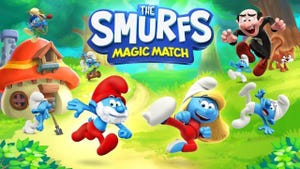
Magic Match
Acropolis

Gold Miner Vegas
Hotel Solitaire
7 Wonders
Mirror Magic

Cake Mania

Mystery Case Files:
Prime Suspects
Fish Tycoon
Mosaic: Tomb of Mystery
Family Feud
Super Collapse 3

Feeding Frenzy 2

Virtual Villagers
Luxor 2

Westward
The result is that there were 16 unique
casual games in 2006. But 11 of them were incremental innovations over
existing game mechanics, and only five of them were new game mechanics
introduced in the casual market (Magic
Match, Fish Tycoon, Family Feud, which is an existing game but newly
introduced to casual players, Virtual Villagers
and Westward).
Just five. And there lies a
problem. If we are talking about audience growth -- and by just considering
the examples we were talking about before -- the more new successful
game experiences we can bring to the market, the more new players we
can bring:
And the number of unique titles available
also determines the number of types of gameplay mechanisms and therefore players you could bring to the
table - though I understand that this may not mean absolute growth of this amount:
Conclusion
I think some of these issues are relevant
to other parts of the game industry, but since they are not my expertise,
I'll stick to casual.
It's important that we realize the
audience's behaviors, and put ourselves in their seats when we plan
our portfolio of titles every year. I'm sure a lot of you have similar
stories to this one: New Publisher Division, first six months: "We
need to differentiate ourselves! Let's create radically innovative titles.
Let's show the other guys how it's done!" A year later, of the
12 titles released, only one is a hit. Another two have been fairly
successful, but with flaws.
Sales steps in: "We're not selling
squat!" A coup d'etat ensues. Next year's portfolio is 50% clones,
and 50% minor incremental innovations. Sales go up, but churn is high
because players lose interest. We need to understand and plan this better.
We need to realize that incremental innovation is what most players
feel comfortable with. But radical innovation brings new players and
renews the interest of existing ones who are done with their favorite
genre.
In order to keep a healthy industry
we need both. So let's invest in them!
|