My Message close
GAME JOBS
Contents
Game Law: Discipline and the Up Sell
 
 
Printer-Friendly VersionPrinter-Friendly Version
 
Latest Jobs
spacer View All     Post a Job     RSS spacer
 
May 26, 2013
 
Treyarch / Activision
Technical Animator
 
Treyarch / Activision
Game Systems Designer
 
Infinity Ward / Activision
Senior Tools Engineer
 
Airtight Games
Environment Artist
 
App Minis LLC
Senior Unity Game Programmer
 
Gameloft
Game Designer
spacer
Latest Blogs
spacer View All     Post     RSS spacer
 
May 26, 2013
 
Beer and Diversity
 
Selling Games
 
Want To Help Stop Youth Cyberbullying? Let Your Kids Raid More.
 
Tenets of Videodreams, Part 1: Exploration [2]
 
We're Indie, we like Microsoft. Too Controversial? [40]
spacer
About
spacer Editor-In-Chief:
Kris Graft
Blog Director:
Christian Nutt
Senior Contributing Editor:
Brandon Sheffield
News Editors:
Mike Rose, Kris Ligman
Editors-At-Large:
Leigh Alexander, Chris Morris
Advertising:
Jennifer Sulik
Recruitment:
Gina Gross
Education:
Gillian Crowley
 
Contact Gamasutra
 
Report a Problem
 
Submit News
 
Comment Guidelines
Sponsor
Features
  Game Law: Discipline and the Up Sell
by Tom Buscaglia [Business/Marketing]
Post A Comment Share on Twitter Share on Facebook RSS
 
 
October 30, 2007 Article Start Page 1 of 2 Next
 

A few years ago, one of my client studios was just starting out and had landed their first game deal. It was a bare bones sort of deal with minimal funding. But the game that they pitched could have probably been delivered within budget.

The game was a PC FPS built around a multiplayer theme, with a ladder system for the single-player using the same maps as the multiplayer. The AI for the single player was pretty much within the scope of what was built into the engine they were using. The PC release was to be followed, at the publisher’s sole option, by an Xbox version.


The agreement with the publisher was a typical staged milestone deal and had the design document attached to it. These guys were in heaven. After doing contract work for a few years, they finally had their own game based on their own original IP.

They went out and rented cool offices, got new computers and brought on a few additional developers to bring their team up to size. Everything was good. Each of the members of the team was extremely talented and as a team, they were amazing. And they were totally stoked. But, it was their passion, combined with a lack of discipline, that was their downfall.

As they began development in earnest, they realized that although the single player ladder model would be OK for the PC, it would not make it on the console side, where multiplayer had not yet gained any acceptance. Without a solid single-player experience, the game would never be green-lighted by Microsoft. The publisher contract was back-end weighted, so the Xbox part of the development followed the PC, with more money allocated for the development of the console version of the game.

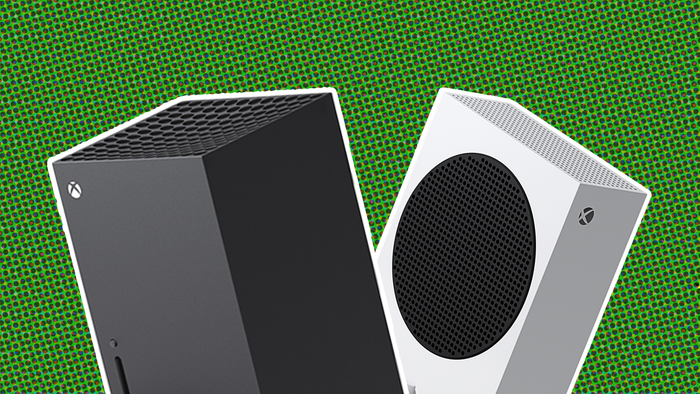
Xbox systemThe original Xbox. Nostalgic, eh?

The multiplayer design was done, but that single-player design challenge was out there. As they brainstormed about all the cool things that could be incorporated into the single-player game, they began to develop their design. The concept: a 21 level linear adventure with AI-driven NPC allies and enemies, a real multiplayer experience in a single player game. Awfully ambitious. But they believed that they had the talent to do it. (And in my opinion, they did.)

When they took this new and substantially-enhanced design to their publisher, the publisher was thrilled. The team also told the publisher that rather than waiting to do this for the Xbox version, that they thought it would just make more sense to do it in the PC version first and then port it to the Xbox. After all, why not deliver all of these cool features on the PC as well? The publisher was all for it. This was gonna be great! This is also where the title to this article comes into play... Discipline and the Up Sell.

At this point they should have taken into account more than just how cool this game was going to be. But their passion blinded them to the harsh realities of running a business. The scope of the project had changed substantially. More features, more levels, a more demanding AI; all would necessitate more time to completion.

And as we all know (or should know) more time means more money out the door for salaries and expenses. Sure, publishers get upset when a game slips. But the real problem with slippage is with the additional operational and personnel costs to the studio.

This was not even a slippage situation. This was a situation where the studio knew that the new, expanded design would require significantly more time to complete. And while the game that they originally sold to the publisher could have been made within the original budget, this new game would ultimately take twice as long to build, which meant it would cost twice as much to make.

 
Article Start Page 1 of 2 Next
 
Top Stories

image
Blog: We're indie, we like Microsoft. So what?
image
Xbox One preowned rumors batter GameStop shares
image
Blog: Theme and craft, games and art
image
Xbox One: A flawed plan, well-executed
Comments


none
 
Comment:


UBM Tech